Chess – A Tribute to Genius and Resilience by Peter Engels 🟢
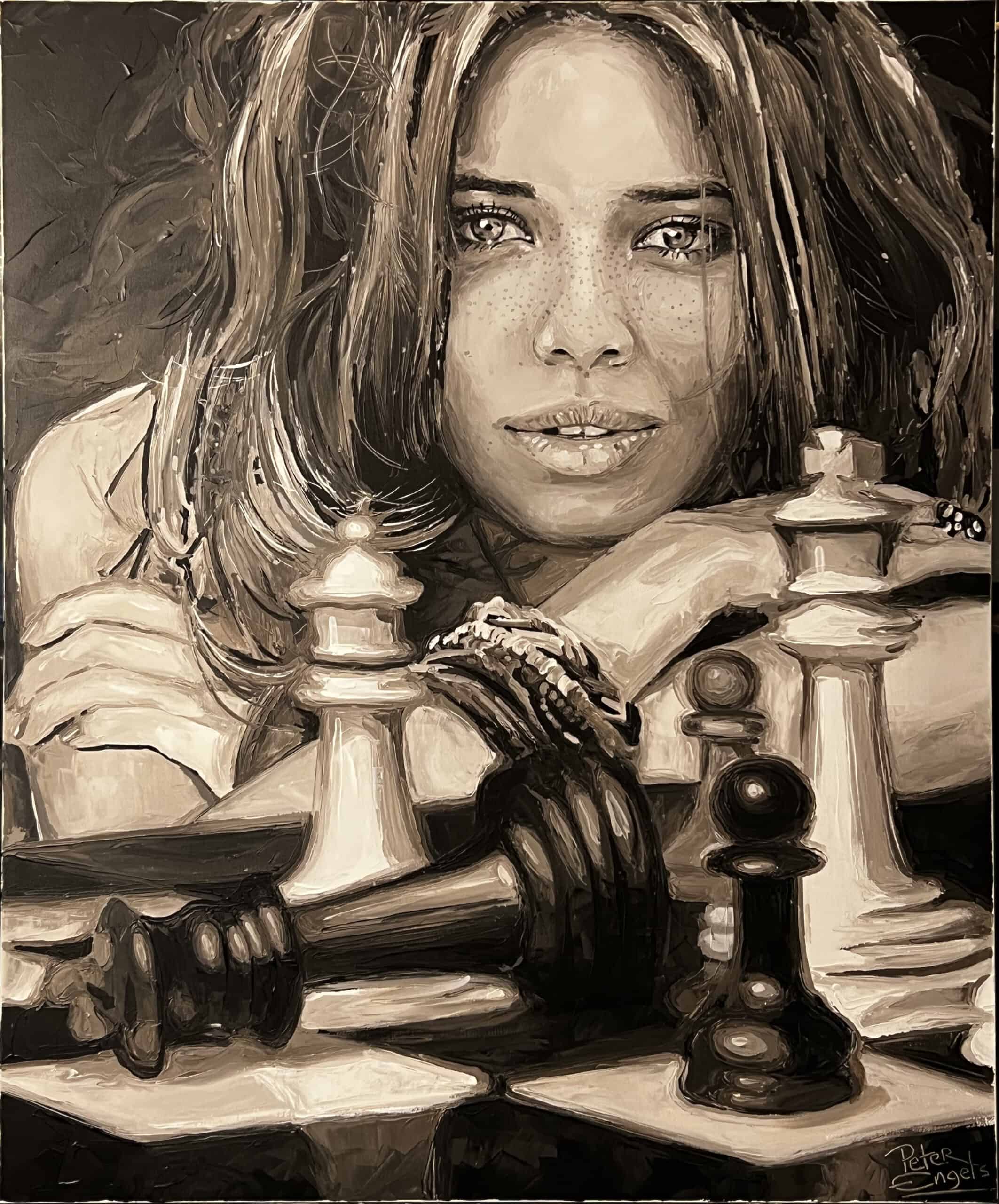
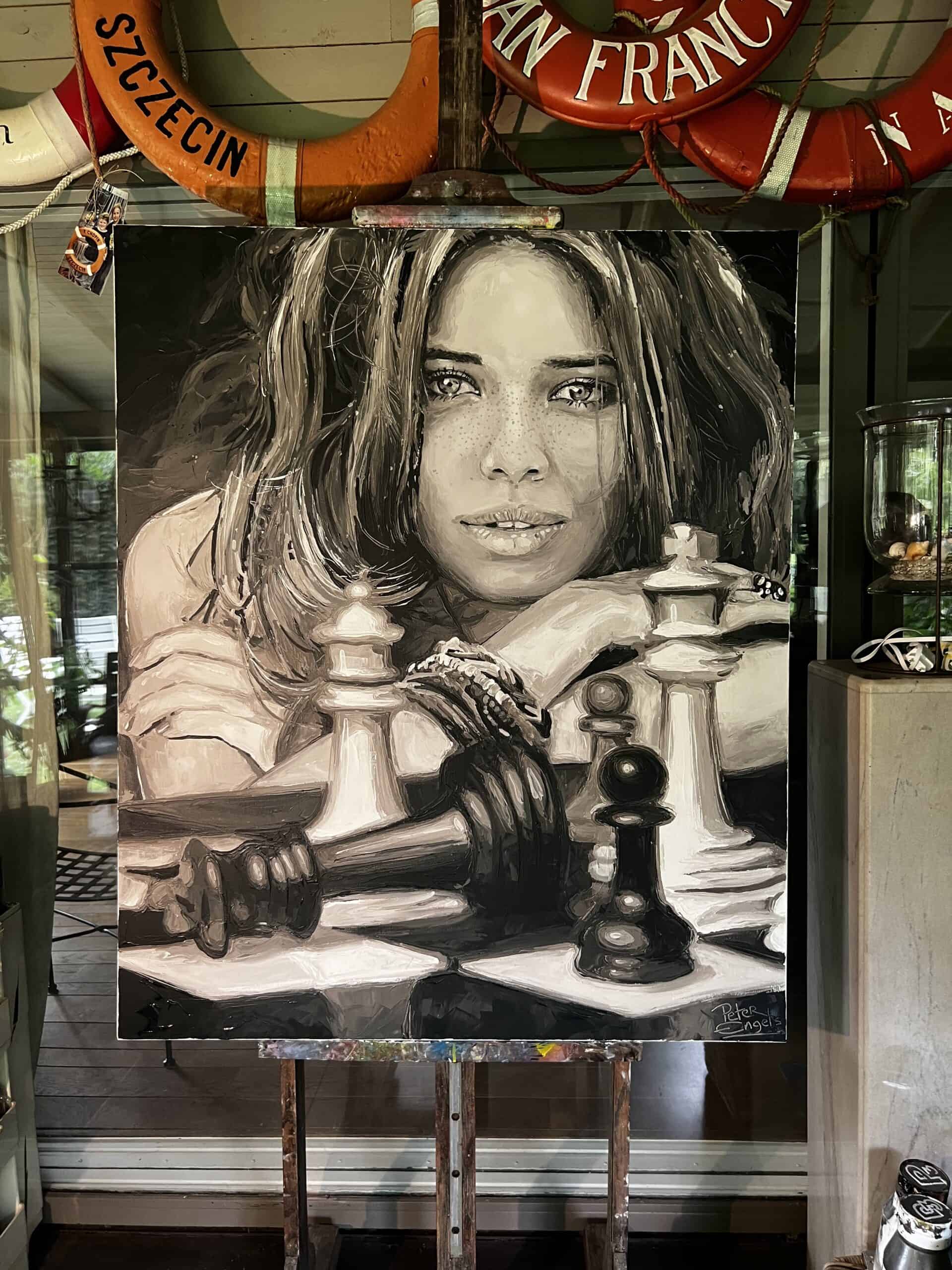
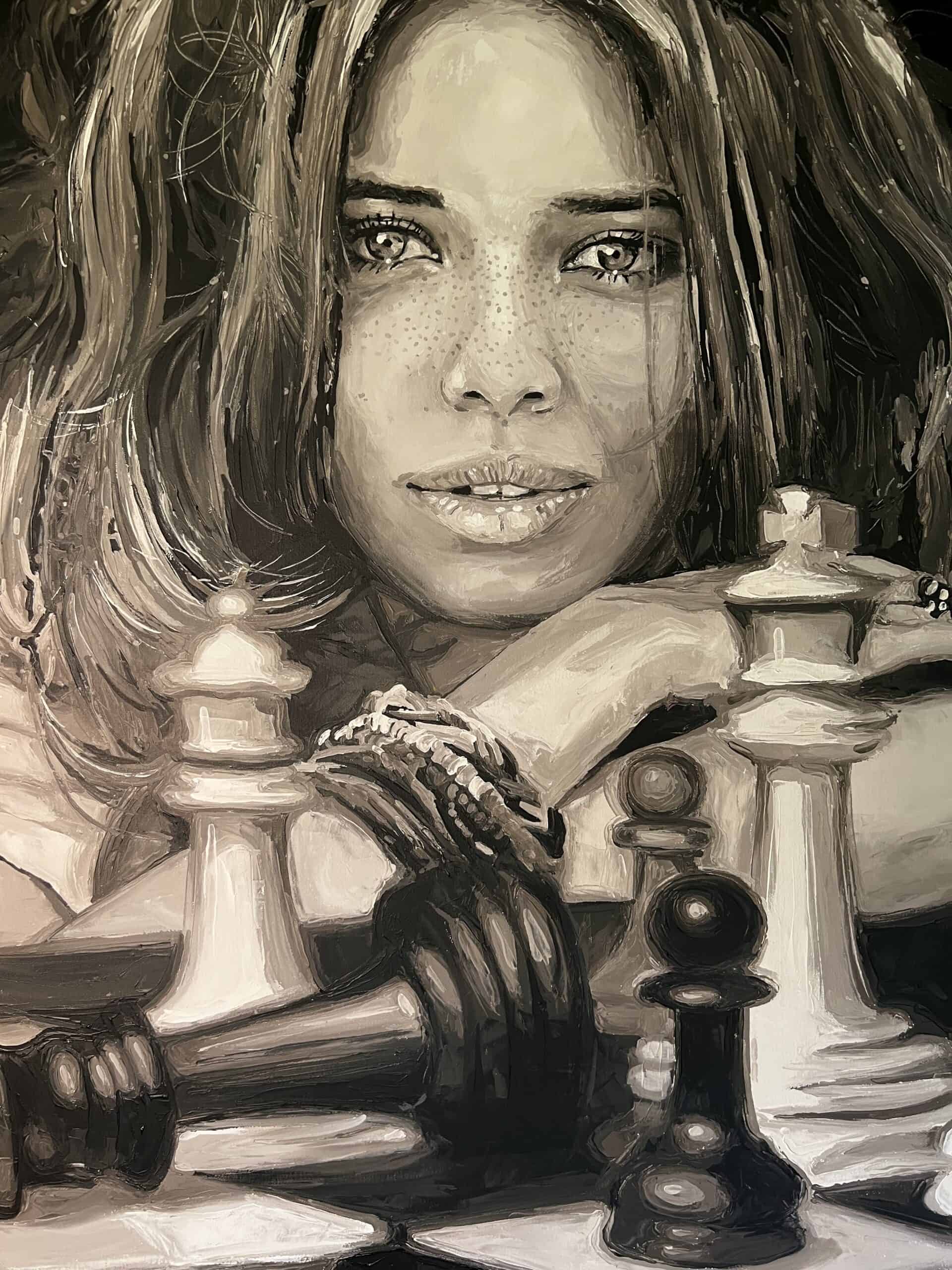
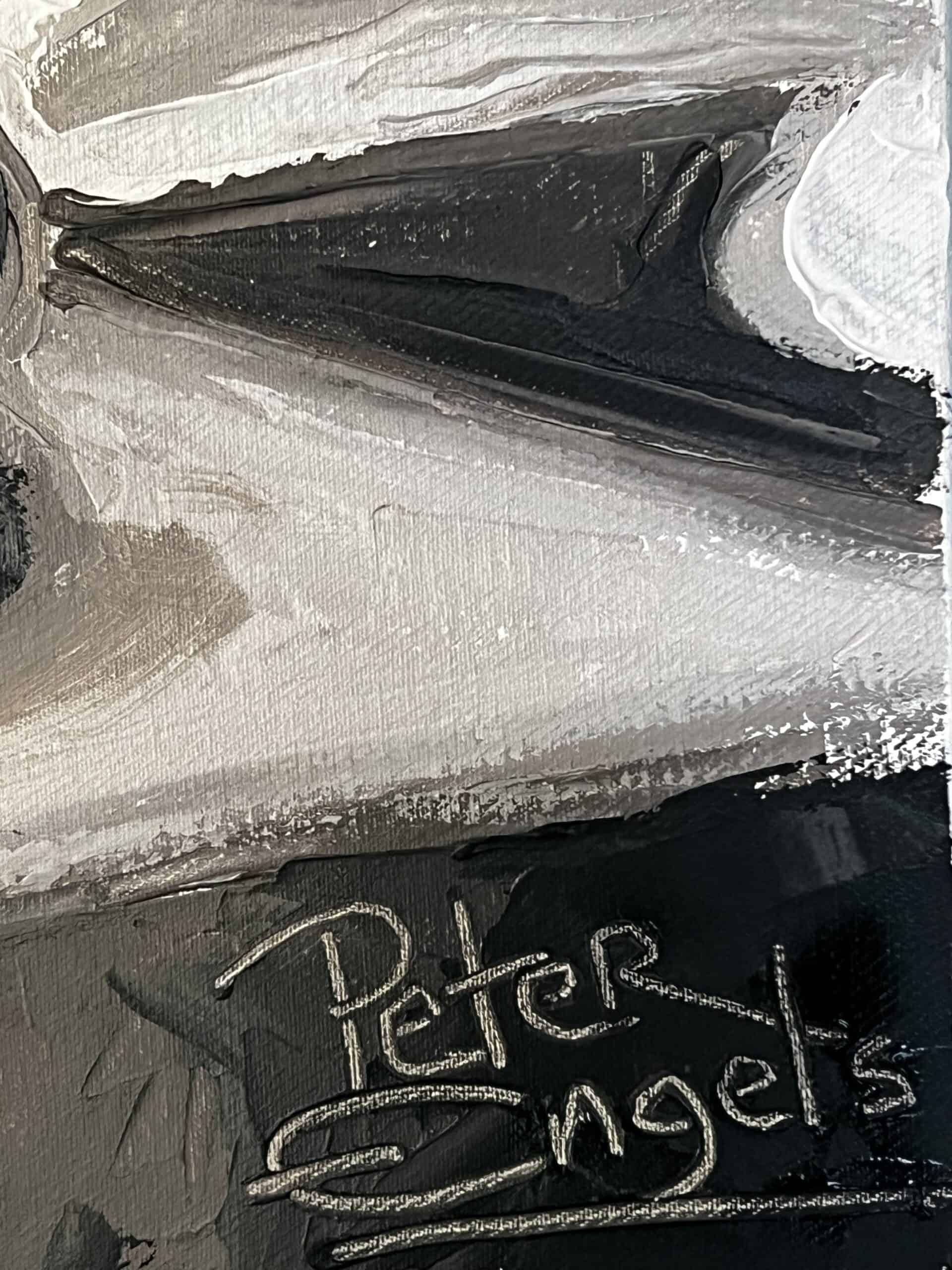
Chess by Peter Engels – 120×100 cm palette knife portrait inspired by the novel “The Queen’s Gambit”. A symbolic, sepia-toned tribute to genius and resilience.
ArtistPeter EngelsMediumAcrylic on canvasSize (W x H) 120 x 100 cmAvailabilityAvailablePrice on requestart@peterengels.eu
Chess – A Tribute to Genius and Resilience by Peter Engels
Victory on the board. Fire in the eyes. A portrait of passion, focus, and the power of a different mind.
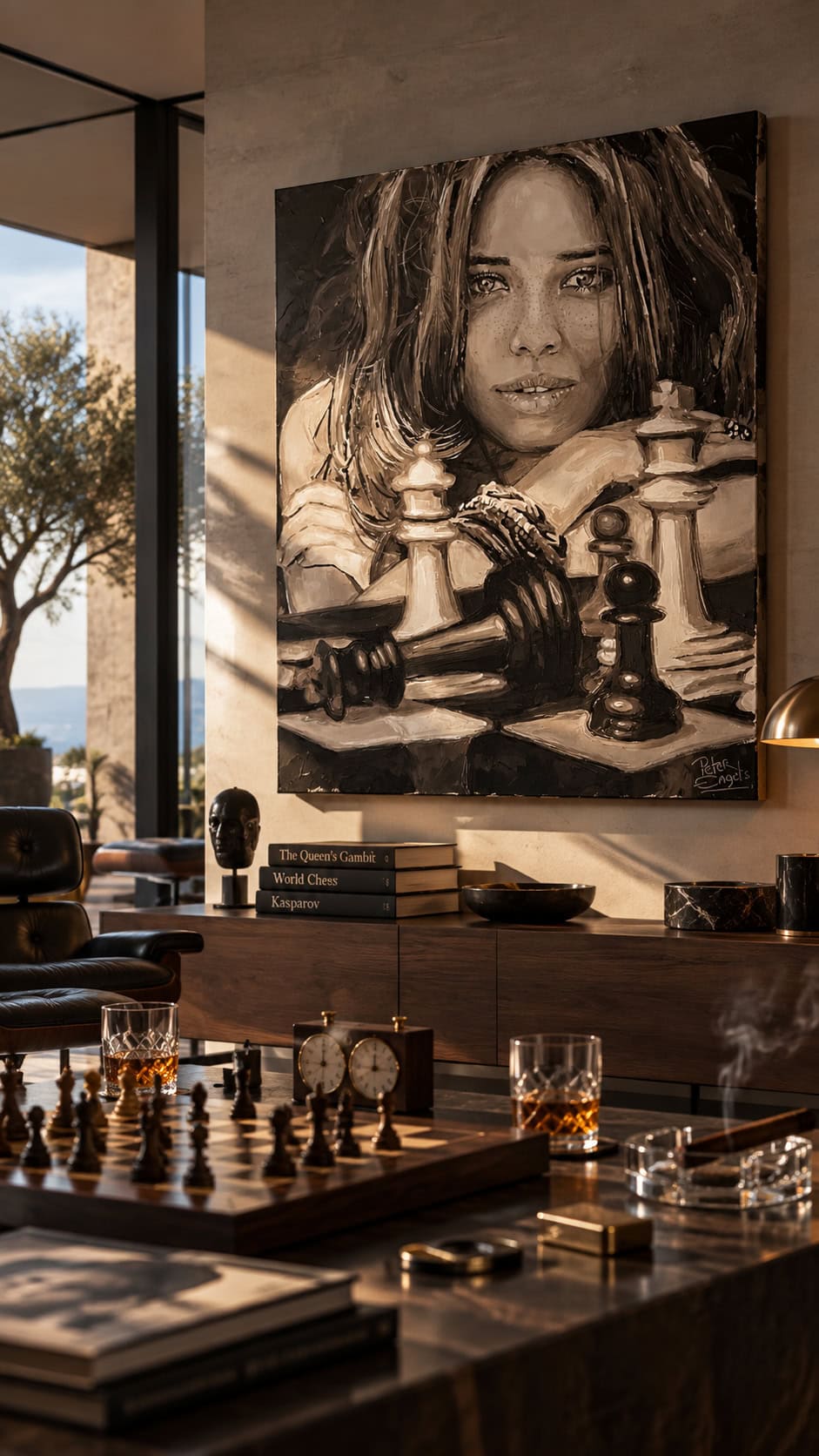
In his captivating painting Chess, internationally acclaimed artist Peter Engels explores the human mind’s quiet brilliance and bold intensity. Inspired by Walter Tevis’ novel The Queen’s Gambit, this 120 × 100 cm one-off artwork portrays Beth Harmon, the iconic chess prodigy whose story has reignited global love for the game.
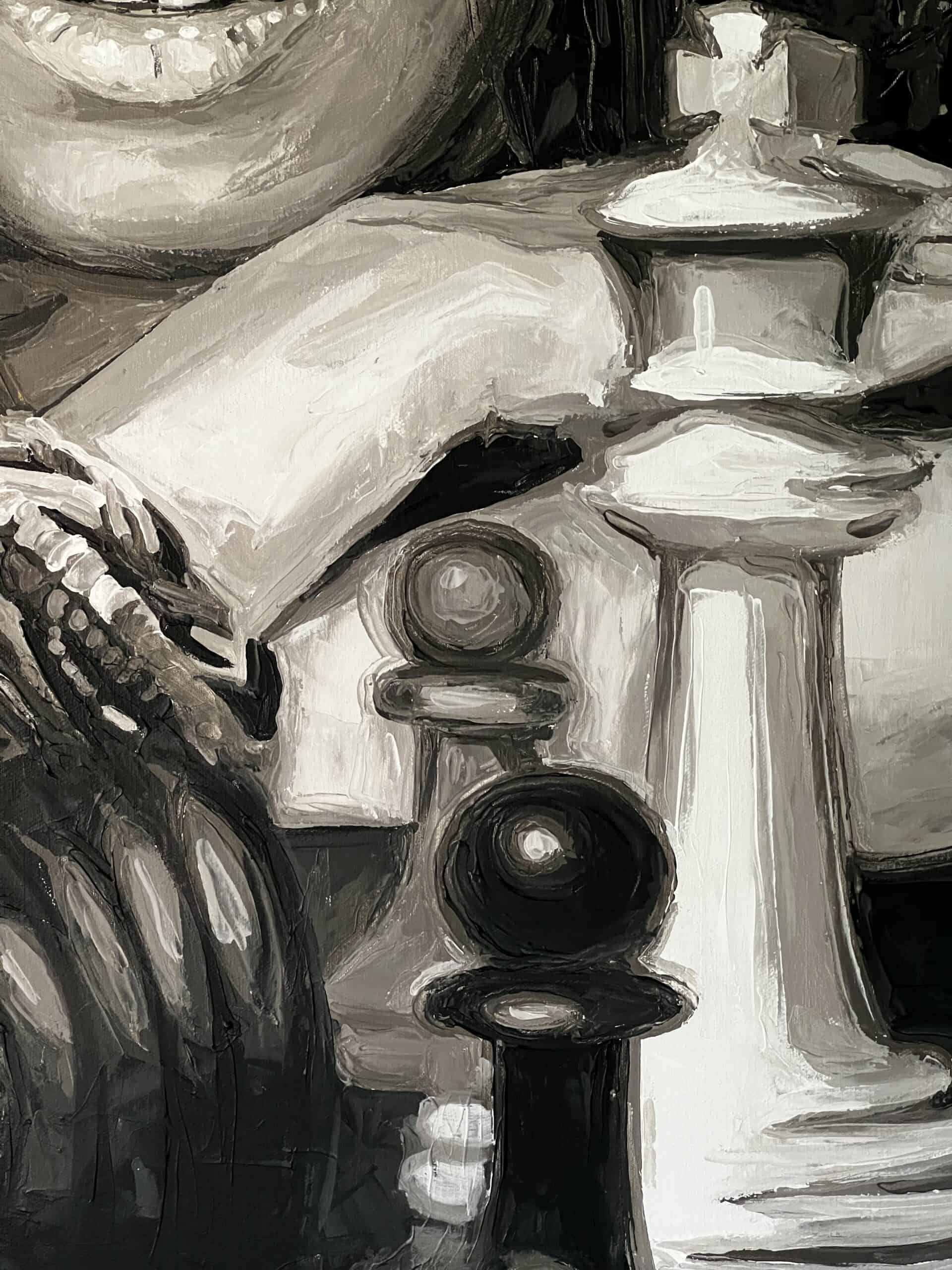
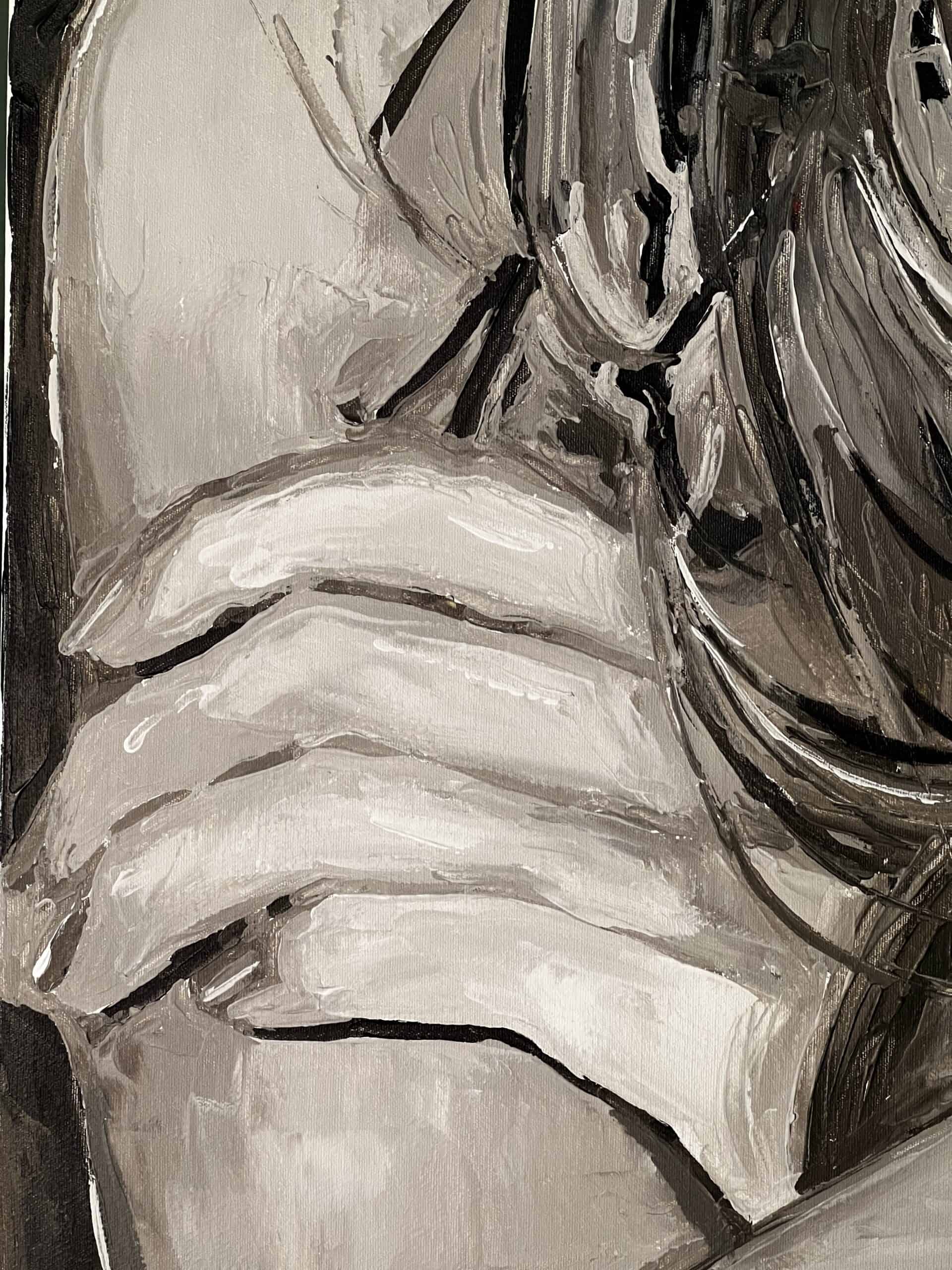
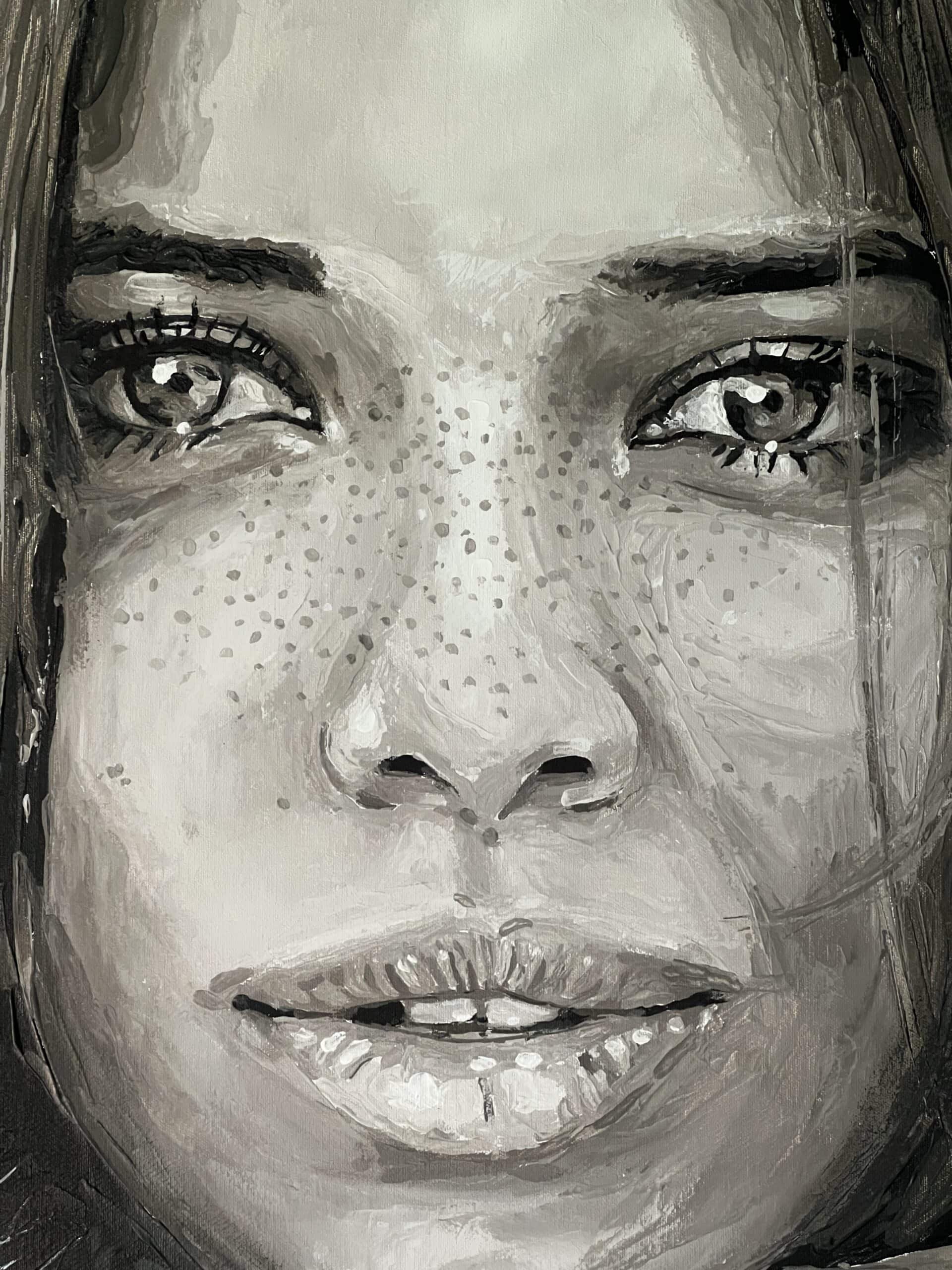
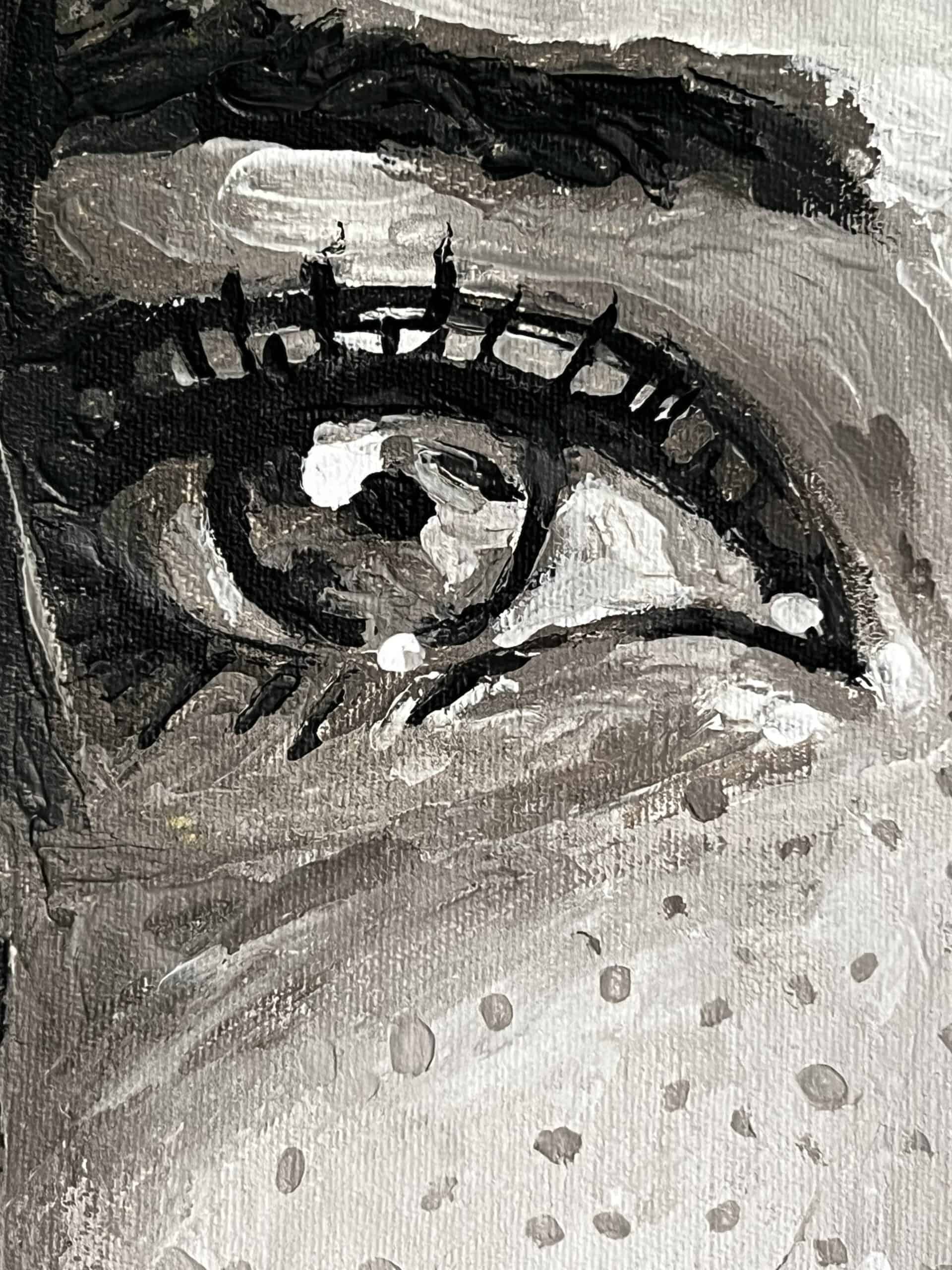
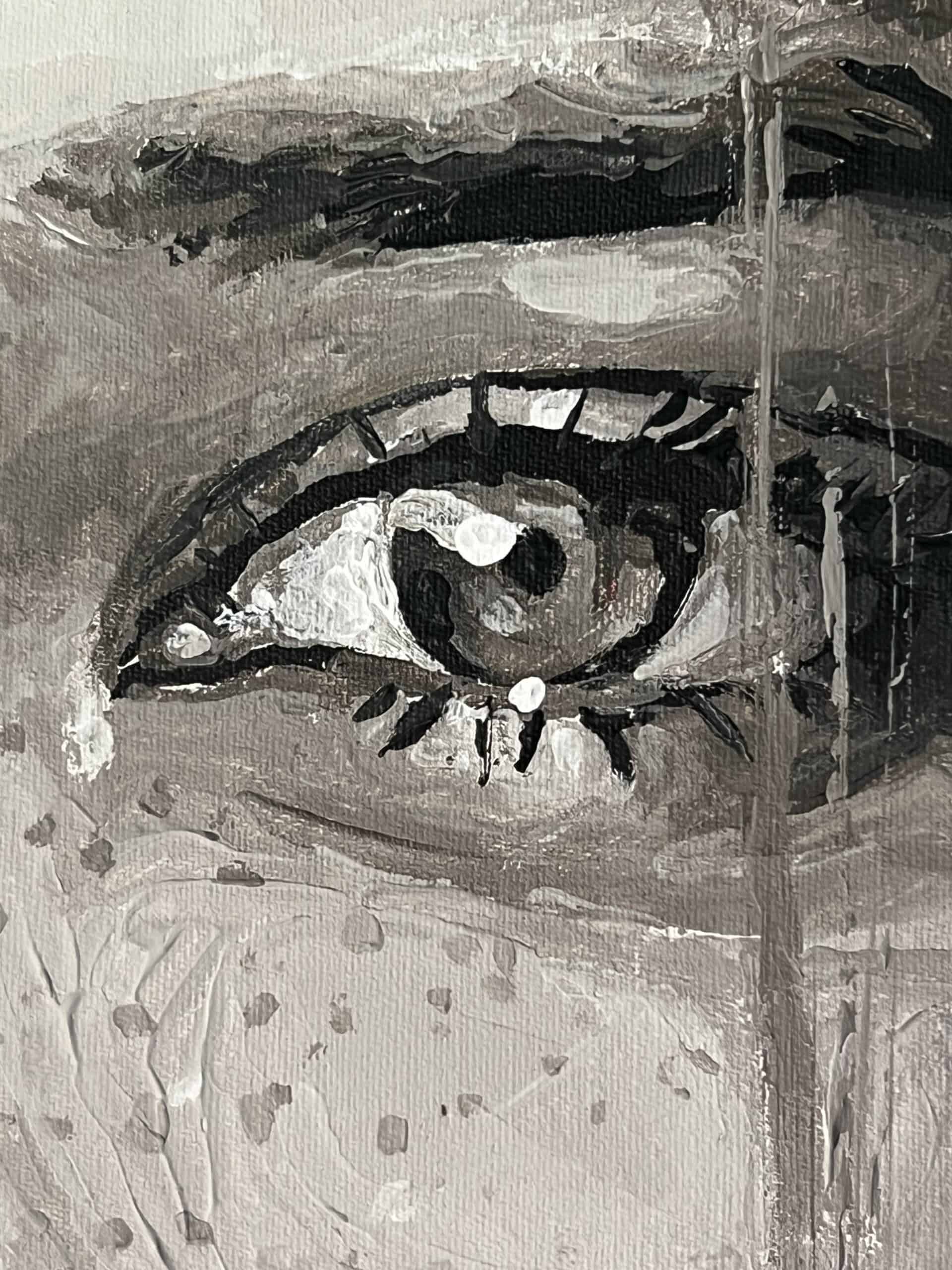
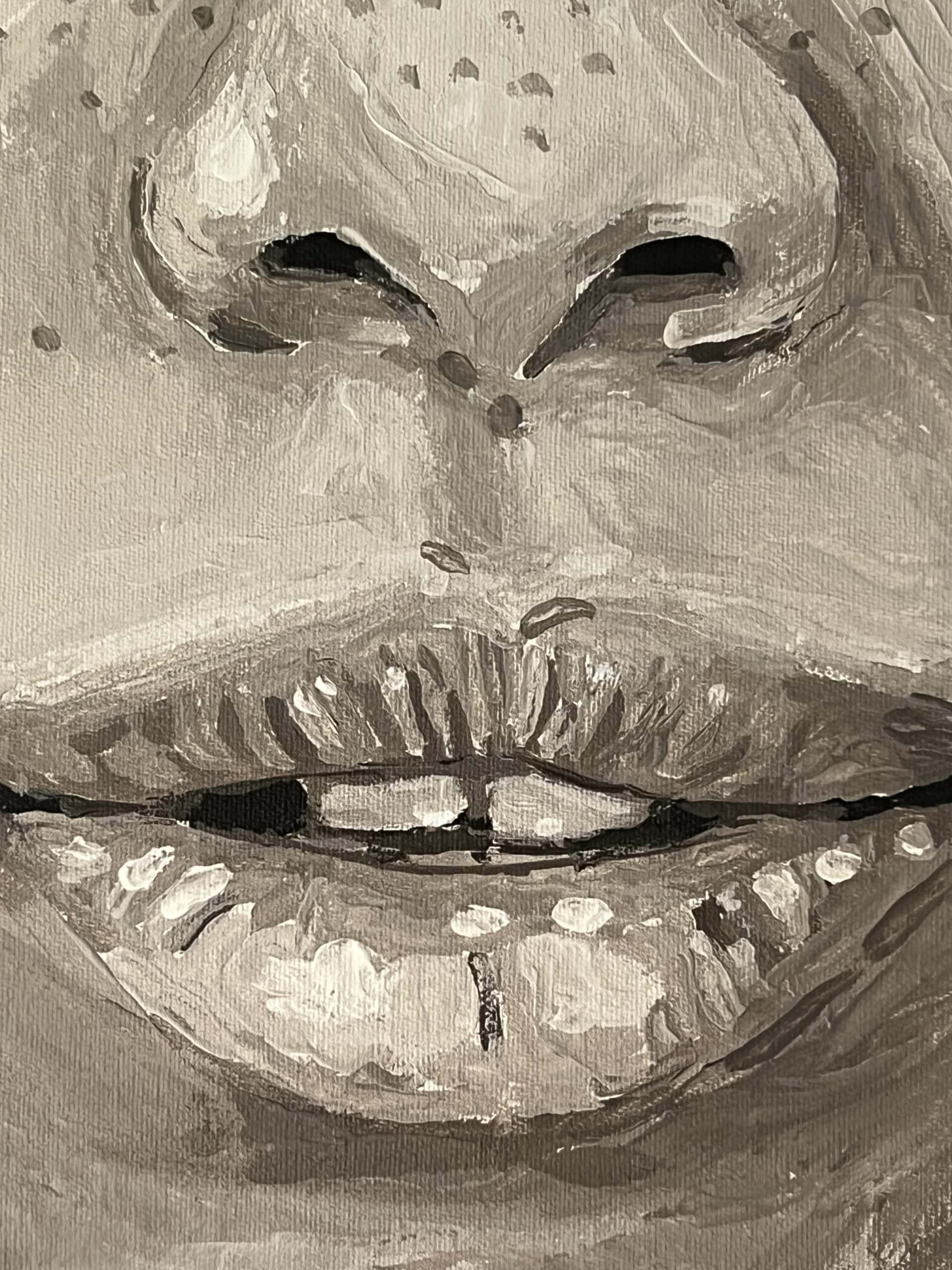
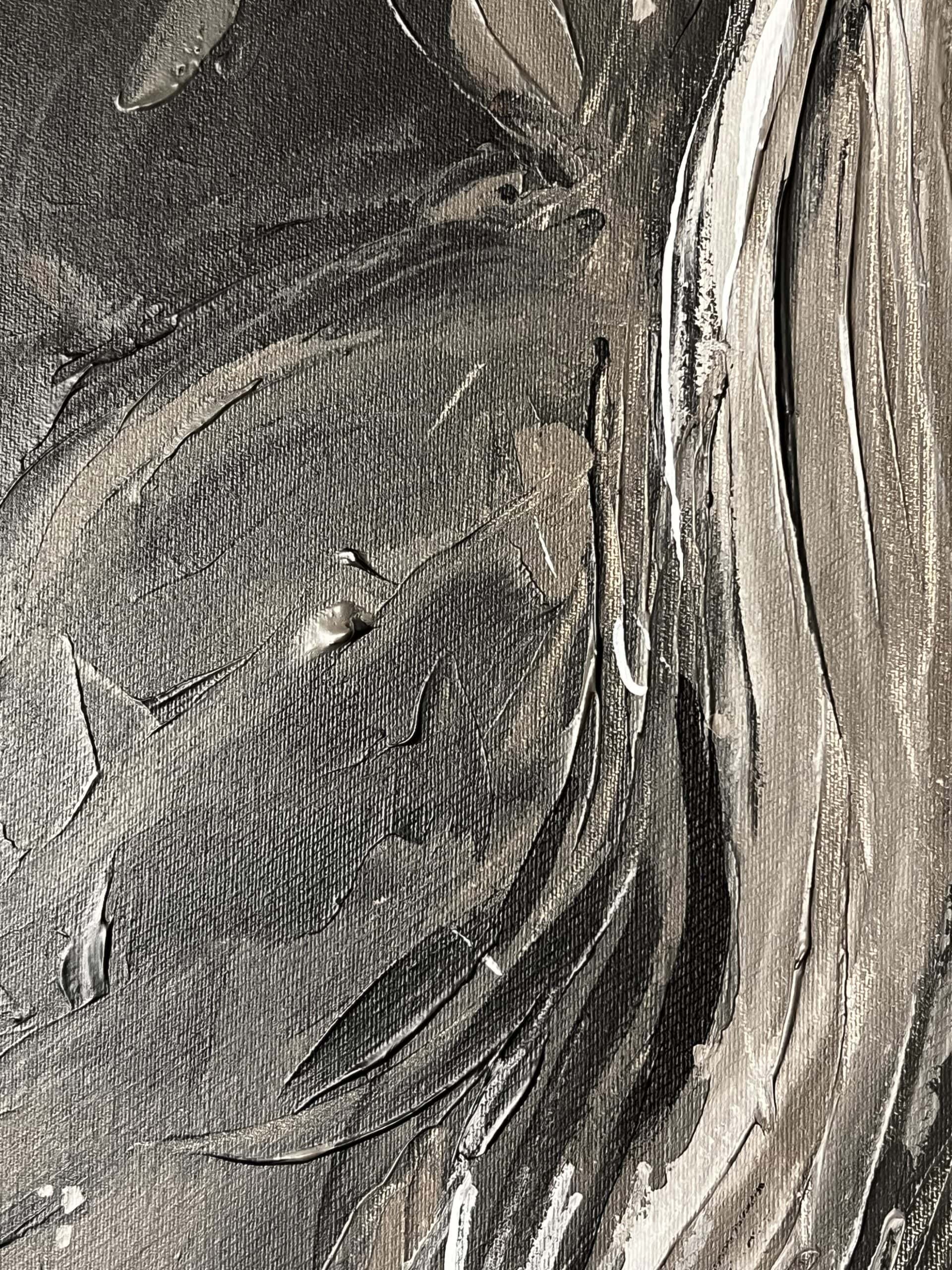
Painted with Engels’ trademark palette knife technique in deep, layered sepia tones, Chess is more than a portrait. It is a textured battlefield. A world where intellect is power, and resilience is strategy.
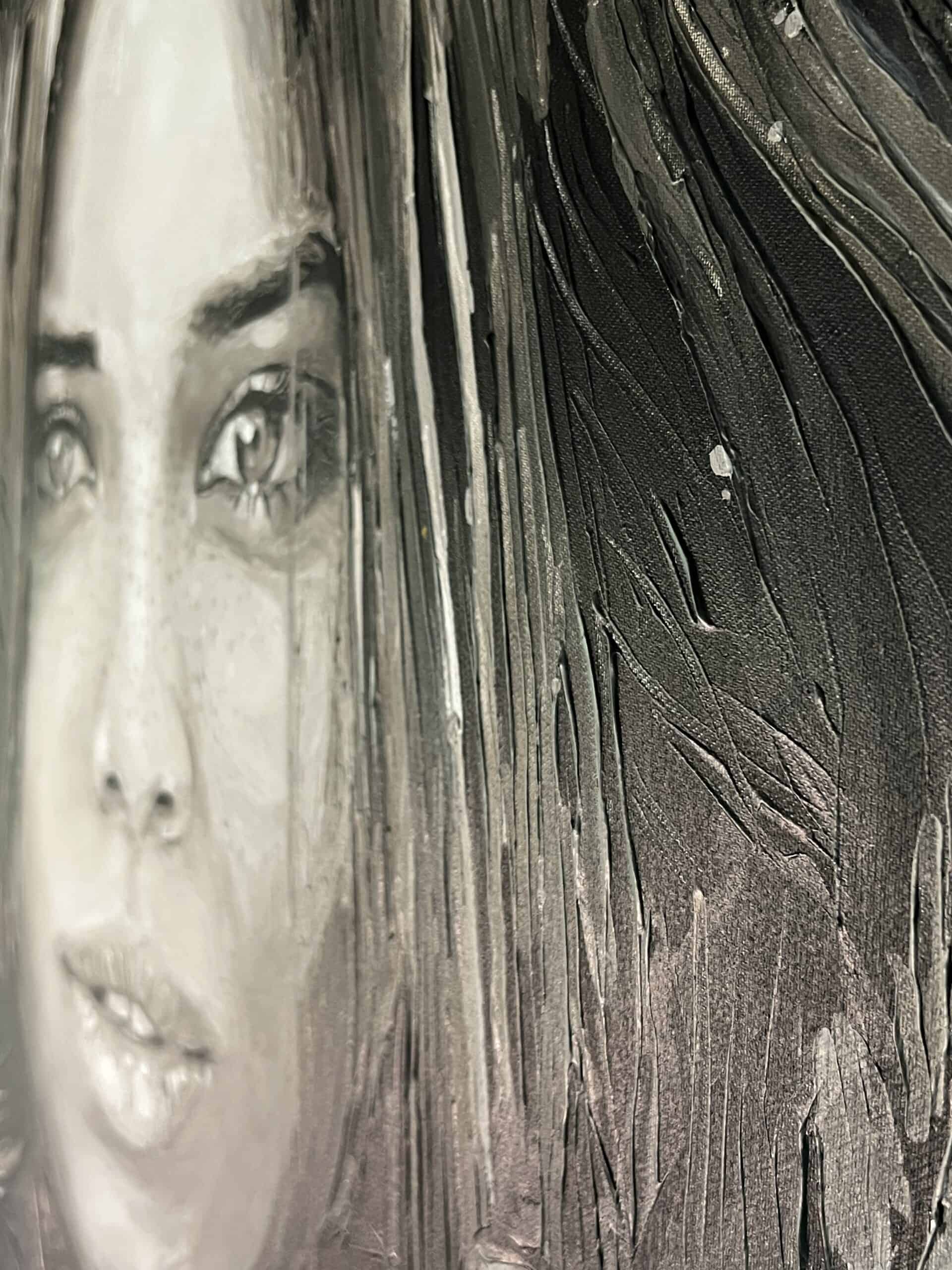
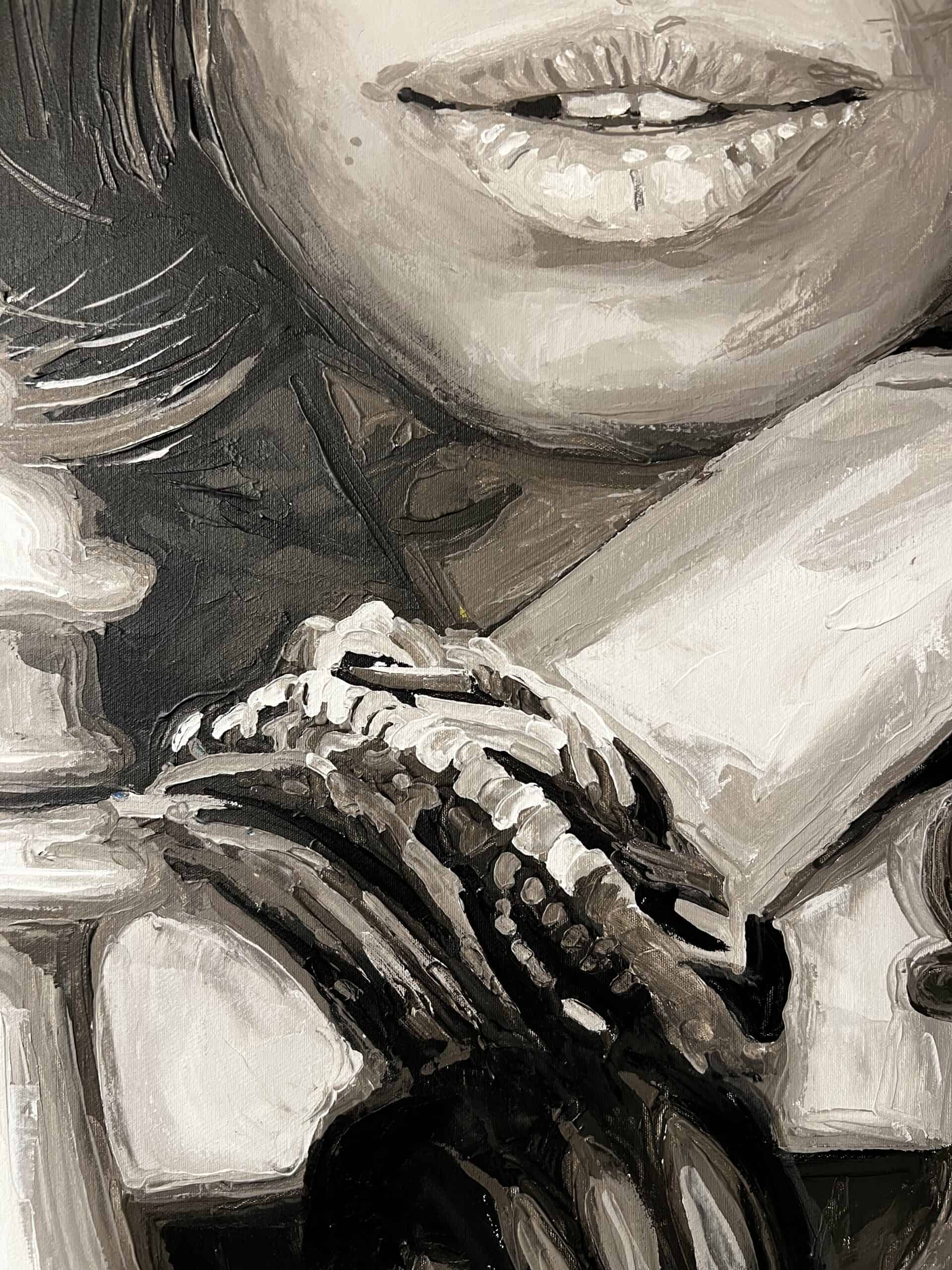
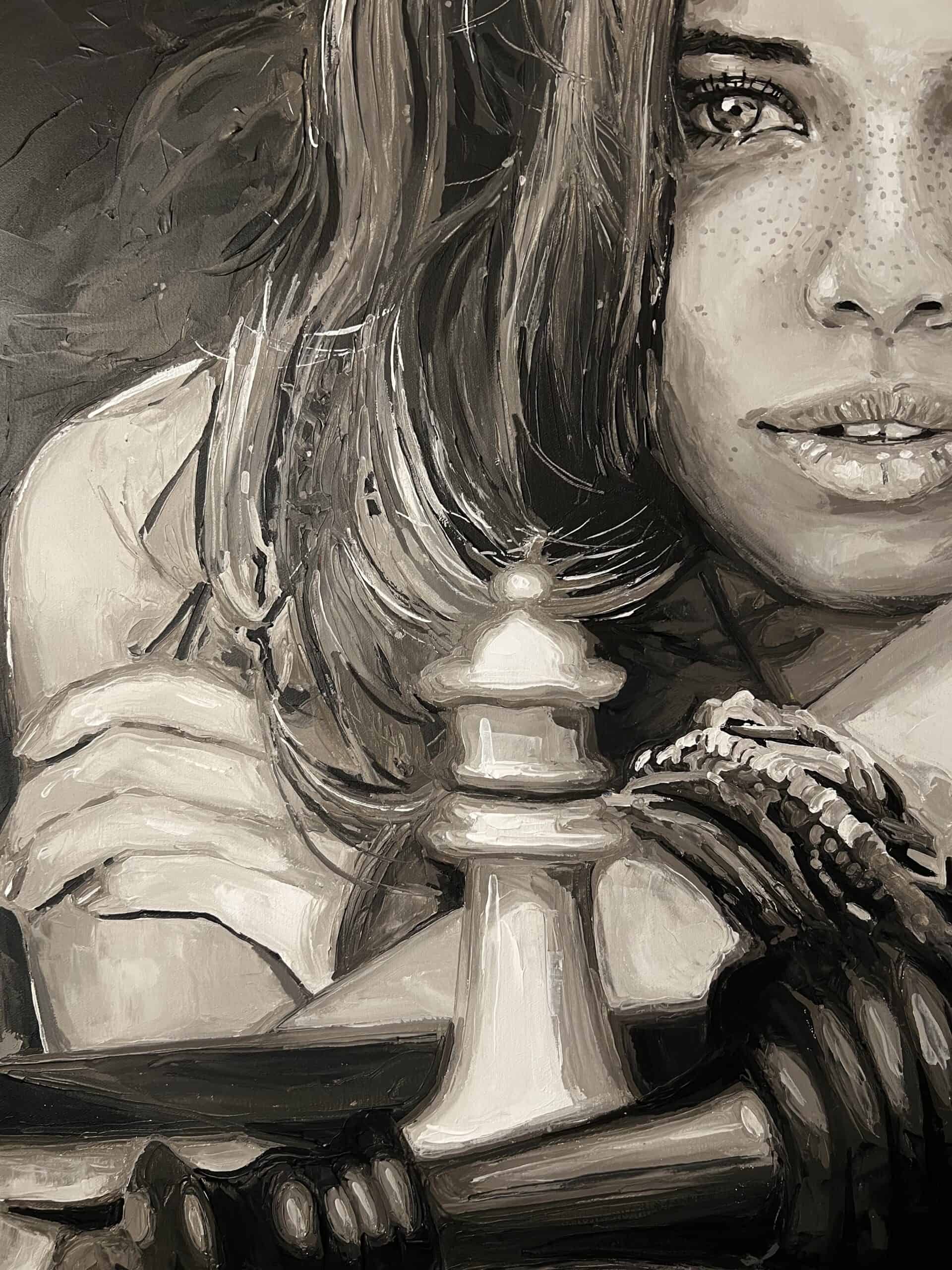
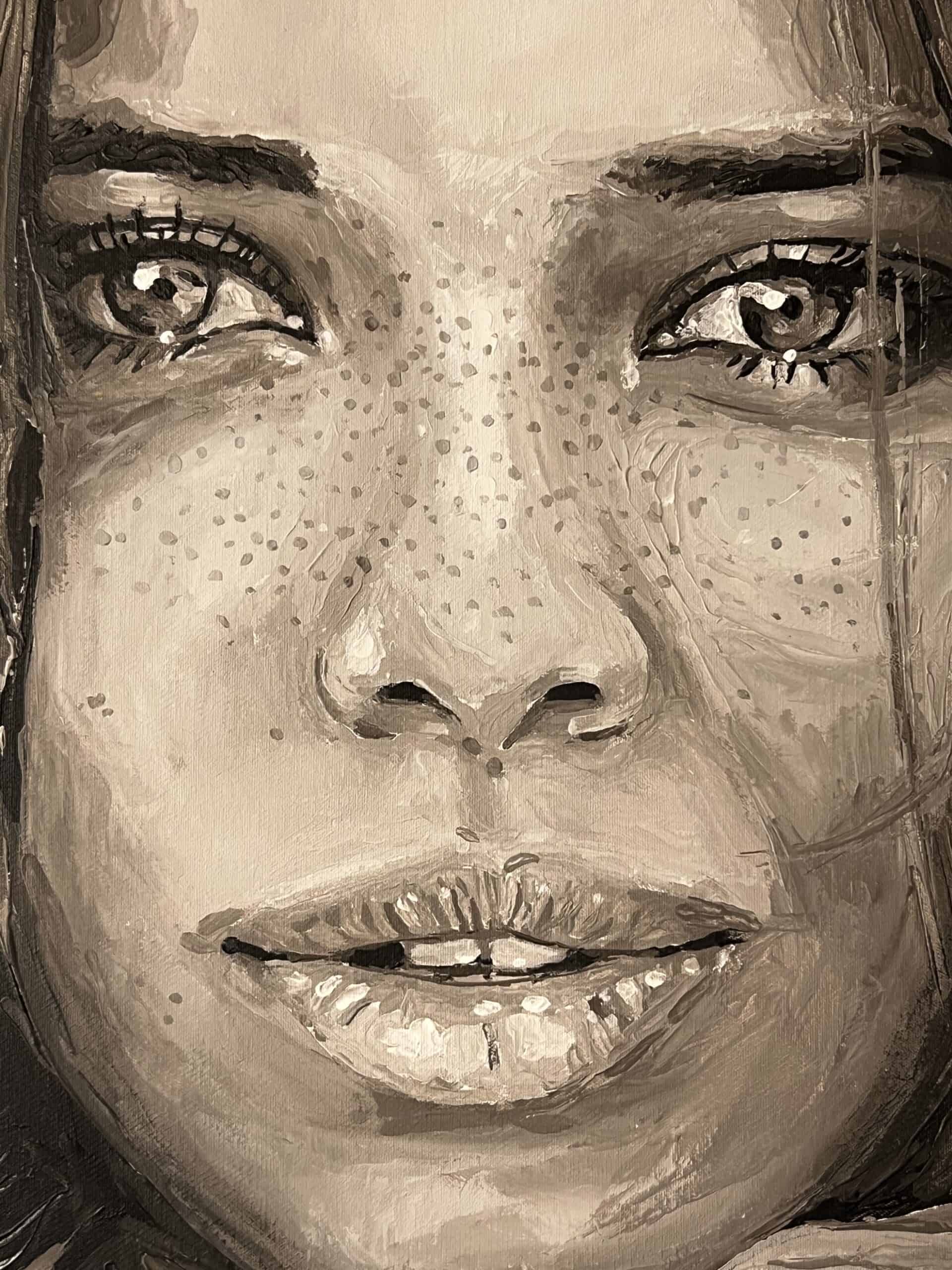
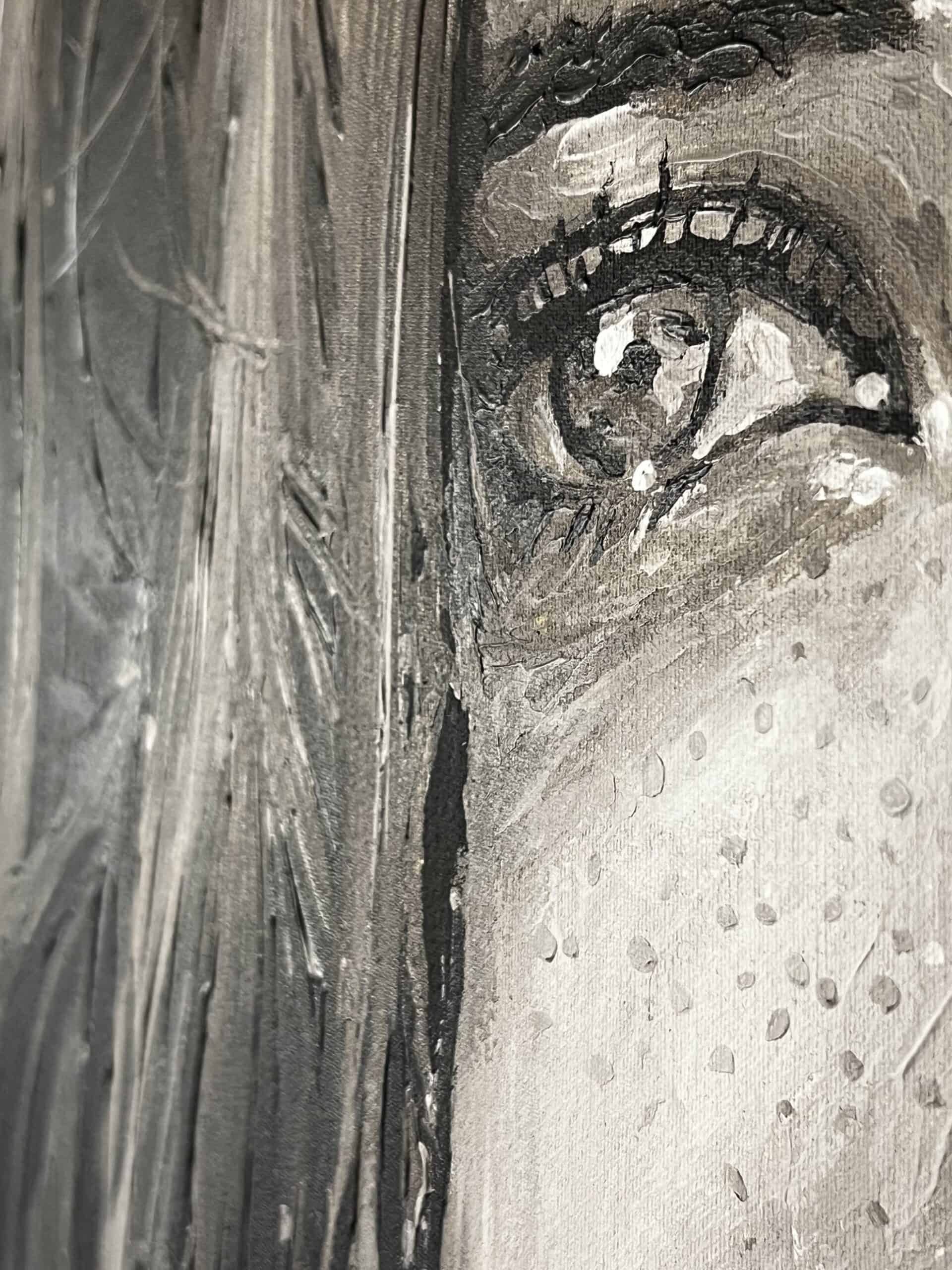
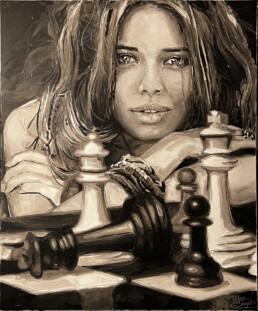
At the center of the canvas, a striking woman sits poised, wild hair framing piercing eyes that lock with the viewer. Her presence is commanding, her gaze fierce with focus. Before her lies a chessboard in disarray: a fallen king lies defeated, a visual declaration of checkmate.
This is not merely a tribute to a fictional heroine. It is a tribute to neurodivergent brilliance. Peter Engels was particularly moved by Beth’s implied autism, her internal battles, and her extraordinary cognitive gifts. As someone who recognizes similar traits in himself and others, Engels paints Chess not just as a celebration of genius, but as a deeply personal reflection on how minds that don’t fit the mold often lead the way.
Details matter:
– The bracelet on her wrist, a subtle anchor
– The crossed arms, signaling control and defiance
– The chessboard, not neat but alive, textured, emotional
– The sepia palette, evoking timeless introspection and period drama
Every stroke, sculpted in thick paint, pulses with emotional charge. The palette knife doesn’t just shape. It sculpts tension and depth, turning the flat board into a symbolic landscape of struggle, isolation, and brilliance.
Chess marks a rare departure from Engels’ usual portraits of historical figures and real-life icons like his Nelson Mandela and Richard Branson portraits. Here, he paints a fictional character, but one whose cultural and psychological impact is real. In doing so, he adds to a long lineage of artists using chess as metaphor, from medieval manuscripts to modern cinema.
For collectors and galleries, Chess is a powerful acquisition. It speaks to the resurgence of chess culture, the impact of literature and streaming media, and the growing conversation around autism and neurodiversity. It is both art and message. Intimate, symbolic, and investment-worthy.